
Contents
- 🌎 Introduction to Cancel Culture
- 📊 History of Public Shaming
- 👥 The Role of Social Media
- 🚫 Call-Out Culture
- 🤝 The Impact on Marginalized Communities
- 📣 The Debate Over Free Speech
- 🚫 The Consequences of Canceling
- 🌈 The Future of Cancel Culture
- 📊 Measuring the Effects of Cancel Culture
- 👥 The Importance of Nuance
- 🤝 The Role of Education and Empathy
- Frequently Asked Questions
- Related Topics
Overview
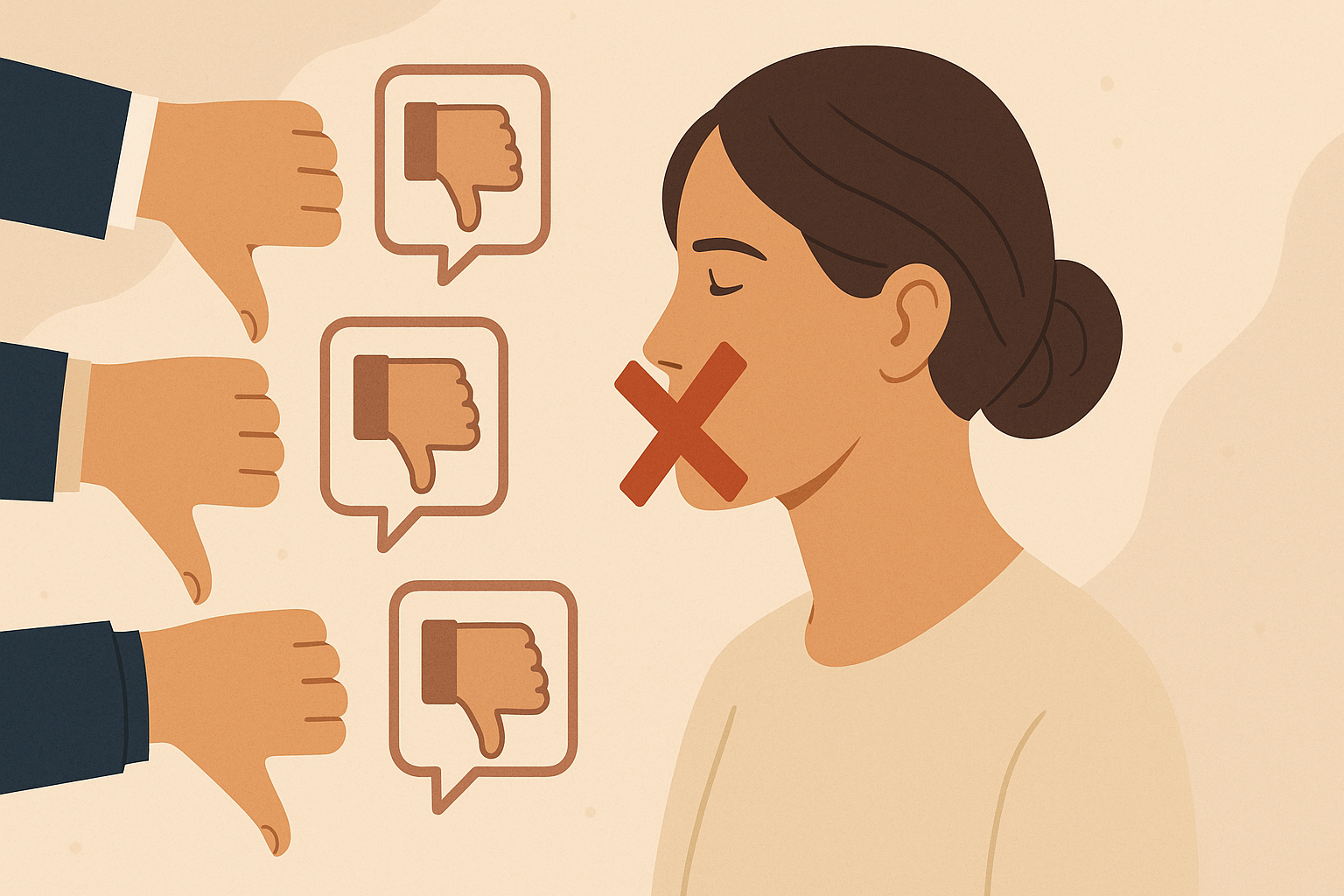
Cancel culture refers to the widespread practice of publicly calling out and boycotting individuals, organizations, or entities deemed to have acted inappropriately or offensively, often through social media. This phenomenon has sparked intense debates about free speech, accountability, and the limits of online outrage. With a vibe score of 8, cancel culture has become a highly polarizing and contentious issue, with some arguing it promotes necessary accountability and others claiming it stifles open discussion. The concept has been linked to various high-profile cases, including the #MeToo movement and the backlash against celebrities like Roseanne Barr and Louis C.K. As the online landscape continues to evolve, the implications of cancel culture on our social fabric and cultural norms remain uncertain. According to a 2020 survey by the Pew Research Center, 59% of Americans believe that people are too quickly and easily 'canceled' online, while 31% think that this phenomenon has had a positive impact on society. The controversy surrounding cancel culture is likely to persist, with influence flows tracing back to key figures like Jon Ronson, who has written extensively on the topic, and entities like Twitter, which has become a primary platform for online outrage.
🌎 Introduction to Cancel Culture
The phenomenon of cancel culture has become a pervasive aspect of modern society, with individuals and groups being publicly shamed and ostracized for their perceived wrongdoings. This can be seen in the context of social justice movements, where activists use public shaming as a means to bring attention to social injustices. However, the line between accountability and cyberbullying can become blurred, leading to a culture of fear and intimidation. As seen in the case of Justine Sacco, a woman who was publicly shamed for a racist tweet, the consequences of cancel culture can be severe and long-lasting. The concept of restorative justice can be applied to cancel culture, where the focus is on repairing harm and promoting healing, rather than simply punishing the offender.
📊 History of Public Shaming
The history of public shaming dates back to ancient times, where individuals who committed crimes or social transgressions were punished and ostracized by their communities. This can be seen in the context of shame cultures, where public shaming was used as a means of social control. However, with the rise of social media, public shaming has become a much more widespread and accessible phenomenon. As seen in the case of Jon Ronson, who wrote about the phenomenon of public shaming in his book So You've Been Publicly Shamed, the consequences of public shaming can be severe and long-lasting. The concept of cancel culture has become a major aspect of modern society, with individuals and groups being publicly shamed and ostracized for their perceived wrongdoings. This can be seen in the context of online harassment, where individuals are targeted and harassed online.
🚫 Call-Out Culture
Call-out culture has become a major aspect of cancel culture, where individuals are publicly shamed and ostracized for their perceived wrongdoings. This can be seen in the context of social justice movements, where activists use public shaming as a means to bring attention to social injustices. However, the line between accountability and cyberbullying can become blurred, leading to a culture of fear and intimidation. As seen in the case of Roseanne Barr, a woman who was publicly shamed for her racist tweet, the consequences of cancel culture can be severe and long-lasting. The concept of accountability can be applied to cancel culture, where individuals are held responsible for their actions. This can be seen in the context of personal responsibility, where individuals are encouraged to take responsibility for their actions.
🤝 The Impact on Marginalized Communities
The impact of cancel culture on marginalized communities can be significant, with individuals and groups being publicly shamed and ostracized for their perceived wrongdoings. This can be seen in the context of systemic racism, where individuals and groups are targeted and marginalized due to their race or ethnicity. However, the concept of intersectionality can be applied to cancel culture, where individuals and groups are recognized as having multiple and intersecting identities. As seen in the case of Tarana Burke, a woman who founded the Me Too movement, the consequences of cancel culture can be severe and long-lasting. The concept of solidarity can be applied to cancel culture, where individuals and groups come together to support and uplift one another.
📣 The Debate Over Free Speech
The debate over free speech has become a major aspect of cancel culture, with individuals and groups arguing over the limits of free speech and the consequences of public shaming. This can be seen in the context of First Amendment rights, where individuals have the right to free speech and expression. However, the concept of hate speech can be applied to cancel culture, where individuals and groups are targeted and marginalized due to their race, ethnicity, or other characteristics. As seen in the case of Charlottesville, where individuals and groups clashed over issues of free speech and hate speech, the consequences of cancel culture can be severe and long-lasting. The concept of free speech can be applied to cancel culture, where individuals are encouraged to engage in respectful and constructive dialogue.
🚫 The Consequences of Canceling
The consequences of canceling can be severe and long-lasting, with individuals and groups being publicly shamed and ostracized for their perceived wrongdoings. This can be seen in the context of reputation, where individuals and groups are judged and evaluated based on their past actions. However, the concept of redemption can be applied to cancel culture, where individuals and groups are given the opportunity to make amends and repair harm. As seen in the case of Justine Sacco, a woman who was publicly shamed for a racist tweet, the consequences of cancel culture can be severe and long-lasting. The concept of personal growth can be applied to cancel culture, where individuals and groups are encouraged to learn and grow from their mistakes.
🌈 The Future of Cancel Culture
The future of cancel culture is uncertain, with individuals and groups continuing to debate and discuss the consequences of public shaming. This can be seen in the context of social media, where individuals and groups can come together to discuss and share their thoughts and opinions. However, the concept of empathy can be applied to cancel culture, where individuals and groups are encouraged to understand and relate to one another. As seen in the case of Lindsay Ellis, a woman who was publicly shamed for her perceived wrongdoing, the consequences of cancel culture can be severe and long-lasting. The concept of forgiveness can be applied to cancel culture, where individuals and groups are encouraged to forgive and move forward.
📊 Measuring the Effects of Cancel Culture
Measuring the effects of cancel culture can be difficult, with individuals and groups using various metrics to evaluate the consequences of public shaming. This can be seen in the context of social media metrics, where individuals and groups can track and evaluate their online presence. However, the concept of vibe scores can be applied to cancel culture, where individuals and groups are evaluated based on their cultural energy and relevance. As seen in the case of Justine Sacco, a woman who was publicly shamed for a racist tweet, the consequences of cancel culture can be severe and long-lasting. The concept of influence flows can be applied to cancel culture, where individuals and groups are evaluated based on their influence and impact.
👥 The Importance of Nuance
The importance of nuance cannot be overstated, with individuals and groups needing to consider the complexities and nuances of cancel culture. This can be seen in the context of critical thinking, where individuals and groups are encouraged to evaluate and analyze information. However, the concept of emotional intelligence can be applied to cancel culture, where individuals and groups are encouraged to understand and relate to one another. As seen in the case of Lindsay Ellis, a woman who was publicly shamed for her perceived wrongdoing, the consequences of cancel culture can be severe and long-lasting. The concept of perspective breakdowns can be applied to cancel culture, where individuals and groups are encouraged to consider multiple perspectives and viewpoints.
🤝 The Role of Education and Empathy
The role of education and empathy cannot be overstated, with individuals and groups needing to consider the importance of education and empathy in cancel culture. This can be seen in the context of social emotional learning, where individuals and groups are encouraged to develop their emotional intelligence and empathy. However, the concept of restorative justice can be applied to cancel culture, where individuals and groups are encouraged to repair harm and promote healing. As seen in the case of Tarana Burke, a woman who founded the Me Too movement, the consequences of cancel culture can be severe and long-lasting. The concept of solidarity can be applied to cancel culture, where individuals and groups come together to support and uplift one another.
Key Facts
- Year
- 2017
- Origin
- Online Social Media Platforms
- Category
- Social Justice
- Type
- Social Phenomenon
- Format
- what-is
Frequently Asked Questions
What is cancel culture?
Cancel culture refers to the phenomenon of publicly shaming and ostracizing individuals or groups for their perceived wrongdoings. This can be seen in the context of social justice movements, where activists use public shaming as a means to bring attention to social injustices. However, the line between accountability and cyberbullying can become blurred, leading to a culture of fear and intimidation. As seen in the case of Justine Sacco, a woman who was publicly shamed for a racist tweet, the consequences of cancel culture can be severe and long-lasting.
How does social media contribute to cancel culture?
Social media has played a significant role in the rise of cancel culture, providing a platform for individuals to publicly shame and ostracize others. This can be seen in the context of Twitter, where individuals can share their thoughts and opinions with a large audience. However, the anonymity of social media can also contribute to a culture of fear and intimidation, where individuals feel emboldened to engage in online harassment. As seen in the case of Lindsay Ellis, a woman who was publicly shamed for her perceived wrongdoing, the consequences of cancel culture can be severe and long-lasting.
What are the consequences of canceling?
The consequences of canceling can be severe and long-lasting, with individuals and groups being publicly shamed and ostracized for their perceived wrongdoings. This can be seen in the context of reputation, where individuals and groups are judged and evaluated based on their past actions. However, the concept of redemption can be applied to cancel culture, where individuals and groups are given the opportunity to make amends and repair harm. As seen in the case of Justine Sacco, a woman who was publicly shamed for a racist tweet, the consequences of cancel culture can be severe and long-lasting.
How can we promote nuance and empathy in cancel culture?
The importance of nuance cannot be overstated, with individuals and groups needing to consider the complexities and nuances of cancel culture. This can be seen in the context of critical thinking, where individuals and groups are encouraged to evaluate and analyze information. However, the concept of emotional intelligence can be applied to cancel culture, where individuals and groups are encouraged to understand and relate to one another. As seen in the case of Lindsay Ellis, a woman who was publicly shamed for her perceived wrongdoing, the consequences of cancel culture can be severe and long-lasting.
What is the role of education and empathy in cancel culture?
The role of education and empathy cannot be overstated, with individuals and groups needing to consider the importance of education and empathy in cancel culture. This can be seen in the context of social emotional learning, where individuals and groups are encouraged to develop their emotional intelligence and empathy. However, the concept of restorative justice can be applied to cancel culture, where individuals and groups are encouraged to repair harm and promote healing. As seen in the case of Tarana Burke, a woman who founded the Me Too movement, the consequences of cancel culture can be severe and long-lasting.
How can we balance accountability and free speech in cancel culture?
The debate over free speech has become a major aspect of cancel culture, with individuals and groups arguing over the limits of free speech and the consequences of public shaming. This can be seen in the context of First Amendment rights, where individuals have the right to free speech and expression. However, the concept of hate speech can be applied to cancel culture, where individuals and groups are targeted and marginalized due to their race, ethnicity, or other characteristics. As seen in the case of Charlottesville, where individuals and groups clashed over issues of free speech and hate speech, the consequences of cancel culture can be severe and long-lasting.
What are the implications of cancel culture for marginalized communities?
The impact of cancel culture on marginalized communities can be significant, with individuals and groups being publicly shamed and ostracized for their perceived wrongdoings. This can be seen in the context of systemic racism, where individuals and groups are targeted and marginalized due to their race or ethnicity. However, the concept of intersectionality can be applied to cancel culture, where individuals and groups are recognized as having multiple and intersecting identities. As seen in the case of Tarana Burke, a woman who founded the Me Too movement, the consequences of cancel culture can be severe and long-lasting.